How Much Does Carpet Installation Cost in Dubai?Carpet installation in Dubai costs start from AED 80 to AED 350 per square meter. This price is for a standard residential and…
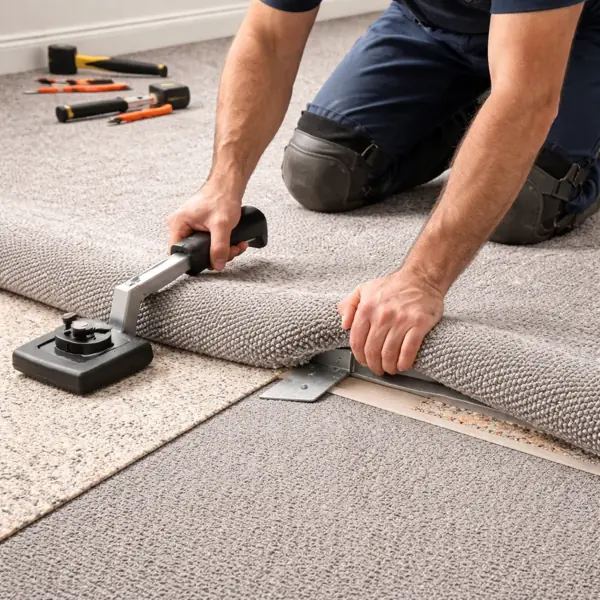

Proper subfloor preparation creates a strong base for your smooth and durable carpet flooring. Carpet installation Dubai in homes and workplaces is very popular in modern interiors. Carpets make your floors noise free and more comfortable underfoot. The quality of carpet flooring is not possible with only premium carpet. Before installation, the floor under the carpet must be clean and level. This is where proper subfloor preparation is important. The problems that look small, like loose floorboards and leftover staples, along with cracks and hidden moisture, can affect the whole look and performance of your carpet flooring.
For carpet installation, many homeowners and businesses just focus on the right carpet material and texture. They overlook the condition of existing floors. Unfortunately, even a high quality carpet may form bumps and wrinkles along with unpleasant smells and premature wear if the surface underneath has not been prepared properly. In this guide, we explain why proper subfloor preparation is important and how it avoids problems and protects your investment for years to come.
“A flawless carpet installation is only as good as the foundation beneath it. Skipping subfloor prep is like building a luxury home on shifting sand; sooner or later, the flaws will surface.” Neil Edwards – Interior Designer Specialist, Dubai
Claim your Free Subfloor Inspection & 15% Off Installation today!
Give your carpet flooring a strong base at a discounted price. Book your free subfloor inspection along with complete carpet installation at a 15% discount.
In subfloor preparation, you have to check the existing floor surface thoroughly. Then clean the surface and make it perfectly level before the start of carpet installation work. Professional installers also repair uneven subfloors. They condition them before laying down the carpet. The whole subfloor preparation work relies on the type of your subfloor. It is different for concrete floors and wooden floorboards. By reviewing and resolving surface issues before carpet fitting, you can minimise the risk of installation defects.
Why proper preparation matters:
1. Prevents Uneven Wear and Tear
A carpet needs a smooth and even surface underneath it. If the subfloor has raised nails and bumps, cracks and dried adhesive, or leftover staples, these imperfections can affect the carpet from the moment it is laid.
When people repeatedly walk over these areas, pressure is applied around the raised or uneven spots. Over time, this can cause some sections of the carpet to flatten and wear out. They can also become more noticeable than the surrounding areas. Underlay cannot reliably correct every subfloor defect. So it is important to address them before fitting.
What should you do?
2. Eliminates Squeaks and Unwanted Movement
If you are walking on carpeted floors and listening to squeaks with every step then the issue is not carpet. In many cases, the squeaks come from the loose floorboards. It also occurs if your plywood is not properly secured or your subfloor panels are moving against close surfaces. The real problem is installing new carpet over an unstable floor. The movement of floorboards beneath the carpet creates annoying sounds. It also affects the grip of tack strips or other fastening systems.
So it is very important to inspect the existing floors before installation. Loose wooden boards may need suitable fasteners, and damaged panels may require repair or replacement. Any work should be completed before the underlay and carpet cover the surface.
Why is it important?
3. Prevents Moisture Damage and Mould Growth
Moisture is one of the most important issues to check before carpet fitting. It is compulsory when you are installing carpet over concrete subfloors or in rooms that have experienced leaks. Many subfloors look dry on the surface. It does not mean there is no issue. Moisture can be present underneath or continue to enter through the slab. Once it’s blocked beneath the carpet and underlay, you can face unpleasant smells and mould growth, along with adhesive failure and damage to flooring materials. In wooden subfloors, you can observe swelling and rot due to constant dampness.
Remember, opening a window or allowing the surface to dry for a short time is never enough. You have to identify the source of the moisture. So always do a moisture test using a method appropriate for the subfloor and carpet flooring.
How can you prevent moisture related problems?
4. Removes Debris That Can Damage Carpet Backing
For a neat and wrinkle free carpet installation, a clean subfloor is necessary. After carpet or underlay fitting, even a small piece of debris can cause issues. Old staples and carpet tacks, along with screws and sharp grit, dried adhesive, and fragments of previous flooring may seem harmless when scattered across the floor.
These objects can push into the carpet backing or underlay from the pressure of daily foot traffic. This may result in punctures and tears as well as noticeable lumps. So it is very important to clean your subfloor thoroughly before installing carpet underlay or carpet flooring.
A proper cleaning routine should include:
5. Helps Protect Carpet and Underlay Warranties
Carpet manufacturers provide installation and maintenance instructions to help their products perform as intended. These instructions may include requirements for subfloor condition and moisture levels along with underlay selection, adhesive compatibility, and installation methods.
If the carpet is fitted over a damaged and excessively damp surface, then the manufacturer doesn’t cover it under the product warranty. Proper preparation helps reduce avoidable installation problems and provides a better starting point if a warranty concern arises later.
Before installation, make sure you:
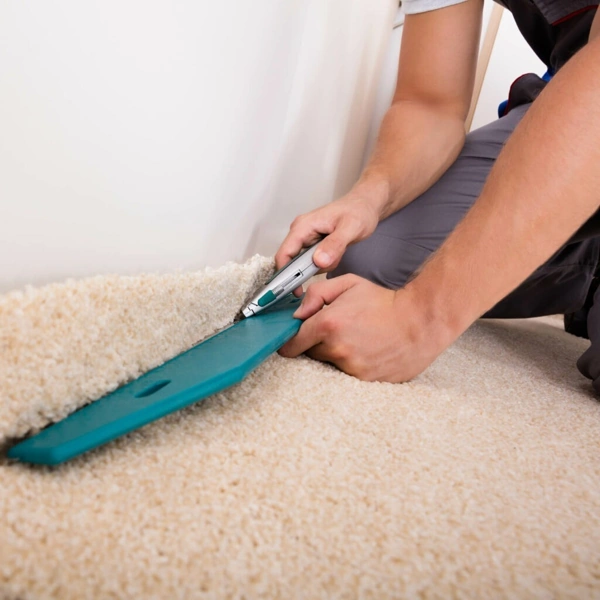
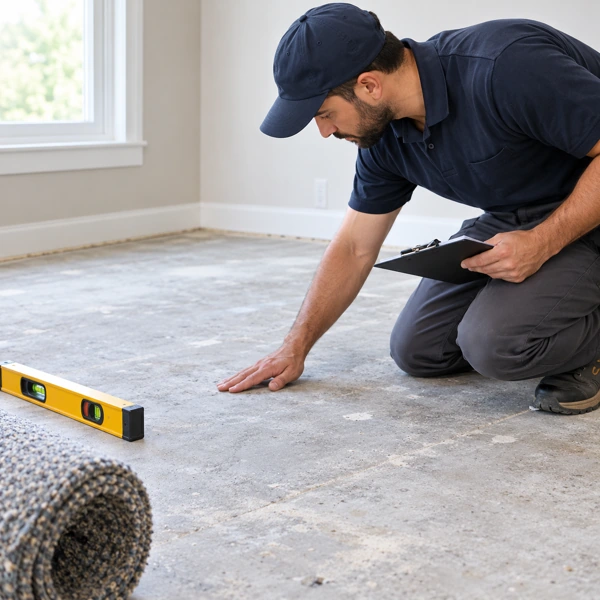
“Proper subfloor preparation isn’t an extra step; it’s the ultimate insurance policy for your flooring investment, ensuring comfort, durability, and a lifetime of seamless beauty.” – Mark Ellis – Carpet Flooring Expert, UAE


What a Prepared Subfloor Guarantees
What a Neglected Subfloor Causes
Unprepared subfloors cause premature carpet wear, lumps, wrinkles, and persistent squeaking. Neglecting preparation allows old debris or unevenness to ruin the carpet’s texture and cut its lifespan in half.
No, you should never install carpet over an uneven subfloor. Holes and ridges telegraph through the padding, creating visible bumps, unsafe tripping hazards, and accelerated tread wear.
Yes, proper subfloor preparation directly prevents moisture trapped beneath your carpet. Cleaning and sealing the subfloor eliminates the damp environment required for destructive mold and bacteria growth.
Yes, securing loose subfloor panels is the only way to eliminate floor squeaks. Fastening the wood to the joists during prep stops the rubbing that creates annoying noises.